
Why Your Website Isn’t Converting (And How to Fix It)
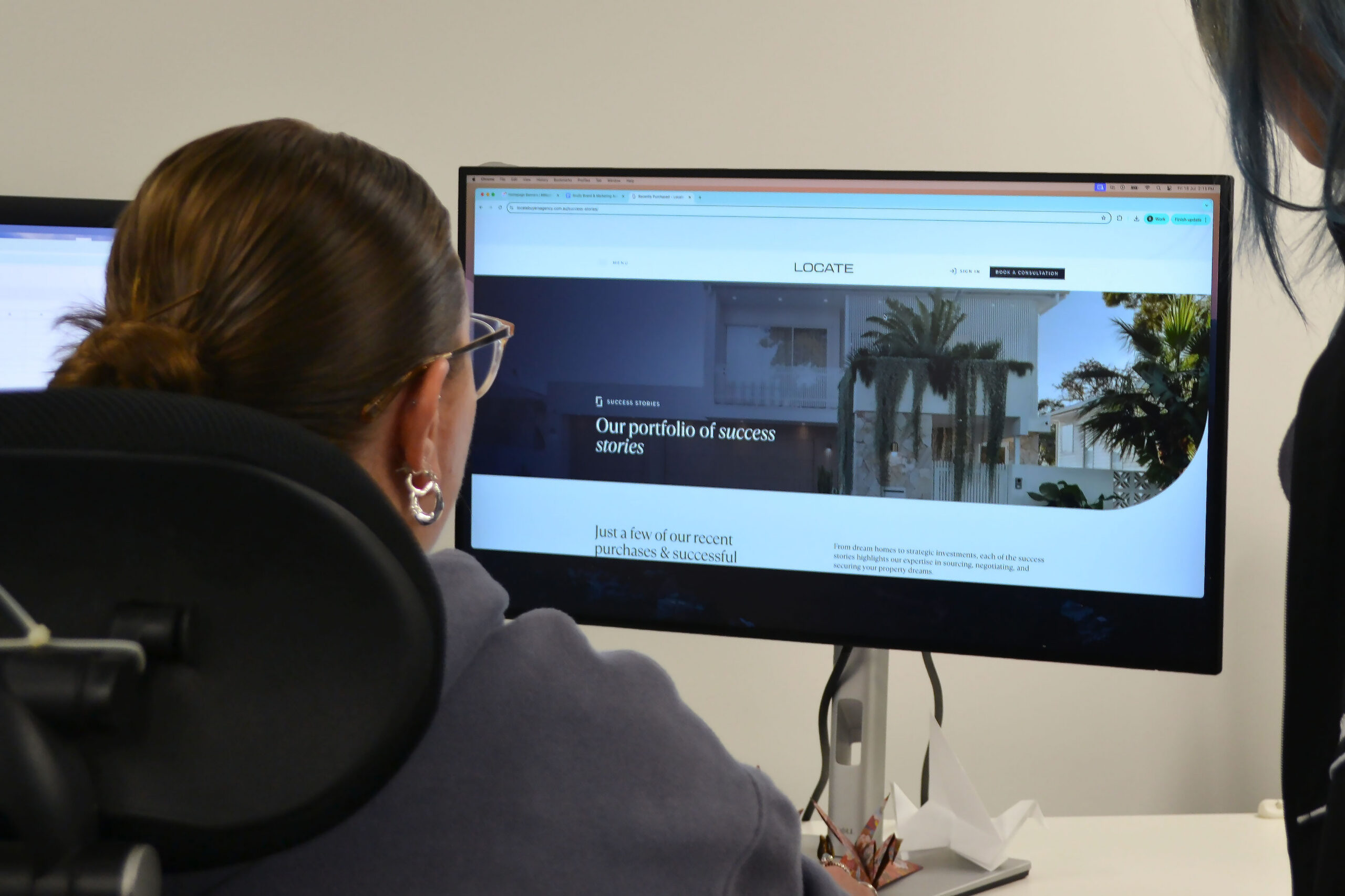
It’s one of the most common frustrations we see in businesses across Brisbane: your website might be live, you put plenty of work into it, it looks sharp and works well, and you might even be ranking well for a few valuable keywords that you’re trying to snag from the first page of Google.
You might be getting traffic… so why aren’t you getting any enquiries or real money coming in from your site? Your website might look professional on the surface (especially when you look at your analytics), but what good is that when you’re not getting any conversions to show for it?
Well, the good news is that poor conversion performance rarely means your website can’t be properly optimised the right way. In most cases, it might just mean that some key strategic factor is a little off, or hasn’t been integrated as best as it could have.
Let’s take a good look at some of the most common reasons websites fail to convert – and what an expert Brisbane web design company like Eigthball Media can actually do about it for you.
How can you fix your website conversions?
You’re getting the wrong traffic
The first hiccup might be thinking that traffic automatically equals revenue.
Unfortunately, the better way to think of your site is essentially as a digital open house for window shoppers: if people landing on your site aren’t ready, willing, or able to buy what you’re offering, then they won’t convert.
This might be because of two reasons:
- You’re ranking for the wrong keywords
- You’re ranking for informational searches instead of commercial ones
How do I fix it?
Review your keyword strategy and make sure it’s aligned specifically with user intent. Focus on terms that indicate commercial interest and decision-making behaviour.
For example, if you’re an electrician ranking for “how to install home lighting”, the page will be helpful to people looking to DIY their own set-ups, but won’t do anything for you unless the page positions you as an expert and guides readers towards requesting a quote.
Unless optimised with clear calls to action and a next step, that page will be nothing but free advice for people who will never hire you.
Your value proposition isn’t clear
When someone lands on your homepage, it’s vital that they understand three things as quickly as possible:
- What you do
- Who it’s for
- Why it matters for them
If visitors have to scroll too far, click too much, or interpret abstract taglines to figure out if your website is actually intended for them, then that’s a chance that you’ll end up losing them.
Remember: clever working isn’t the same as clear messaging. This can be common with businesses that have invested heavily in aesthetics – but left out a clear sense of what they’re actually providing or offering.
How do I fix it?
Clarity is what converts, so make sure to place a strong, benefit-led statement above the fold, as far at the top of the page as you can manage. Don’t just spell out your services: spell out outcomes.
Case study: Ace Waste
One of our closest partners, Ace Waste, was once facing similar conversion challenges. After we gave them a full overhaul of their website, they saw a 53% increase in sessions and ranked for more than 80 keywords in top positions – turning the site into a far more effective lead generator.
Your website or user experience is poorly designed
Trust can be eroded right from the start if your website is saddled with an outdated layout or confusing navigation that makes visitors feel like they’re solving a puzzle just to get in touch.
If your site was built years ago and has not since evolved with a newer, more user-focused refresh, it may also be underperforming for mobile usage, which is where the majority of users now browse.
How do I fix it?
Give your website a full audit that’s anchored by the thought: “Can someone move from the home page to the contact page in a logical, friction-free way?”
If not, that means you should strip it back, simplify your navigation, remove unnecessary design elements of page sections, and make sure your site is designed for intention more than just decoration.
You don’t have any trust signals
You might know that you’re the most excellent at what you do.
But a first-time visitor to your site might not.
Online, trust has to be earned quickly – and usually immediately. Without the burdens of proof, people can hesitate as to whether they can really trust you with their business, and that hesitation might mean abandonment.
How do I fix it?
Show evidence of real results and transparency across your site. Some of those common trust signals that you can use to build immediate confidence for your users can include:
- Testimonials from clients
- Case studies
- Google reviews
- Industry certifications
- Clear contact details and your location
Your website is too slow
In the online world, users move quickly – and that means that patience can be painfully short. If your site takes more than a few seconds to load, visitors could leave before they even have a chance to see your messaging or your trust signals.
Page speed can also have a marked impact on your overall search rankings and in how Google prioritises your page, which will end up affecting both traffic and conversions, since there’s little point driving qualified traffic to a site that isn’t kept up technically.
How do I fix it?
You can make a huge difference in how quickly your site loads and scrolls by making sure you optimise image sizes, remove or reduce unnecessary plugins – and well as investing in reliable hosting for maximum security.
Your forms are too long or too complicated
Just like in life, people usually prefer low-commitment first steps. And that means that every additional field that sits within your site’s contact form has the chance to create additional friction that could put people off.
Long forms are often the result of businesses thinking that more upfront information is what will equal better leads. But in reality, the simpler your forms are, the more often they’ll produce conversions.
How do I fix it?
Only ask for the essential information in your initial on-page contact forms: name, email, and one specific qualifying question based on something you need to know should be enough.
From there, it’s far more worthwhile for the business and the prospective customer to gather more details once the conversation has started and relationships can start to be built.
Remember: your site isn’t one thing. It’s everything working together
You might be as happy with your website as a proud parent would be of their newborn. But the uncomfortable truth is that if your site is underperforming or not getting enquiries, it’s rarely because of a single reason.
And this is where a lot of businesses can go wrong with their online presence – assuming that they might need a full redesign or a knockdown-rebuild of their digital infrastructure, when what they actually need is strategy.
A capable Brisbane web design company would be able to fix your conversion pathways so that your investments in traffic will genuinely pay off. And Eightball Media knows how to make sure your website performs as best as possible by:
- Aligning your keyword strategy with commercial intent
- Crafting messaging that speaks directly to your audience
- Designing user journeys that feel intuitive
- Strengthening trust signals
- Optimising technical performance
- Refining calls to action so they actually get used
The difference lies in understanding now just how your site looks, but how it works – and how to capitalise on all that passive traffic to turn it into active enquiries.
So if you’re ready to stop guessing and start converting, Eightball Media will be glad to make the changes you need to finally see real results.
Looking for another digital solution?
SEO
Be seen where it counts. Our SEO services make sure you climb the rankings and stay there.
Social Media Marketing
We help grow your reach and make sure your brand stands out on all major socials.
Launchpad
Need a site that makes an impact fast? Take a look at our specialised Launchpad packages.
Bespoke Websites
Our custom websites are tailored to your brand and carefully crafted to convert.